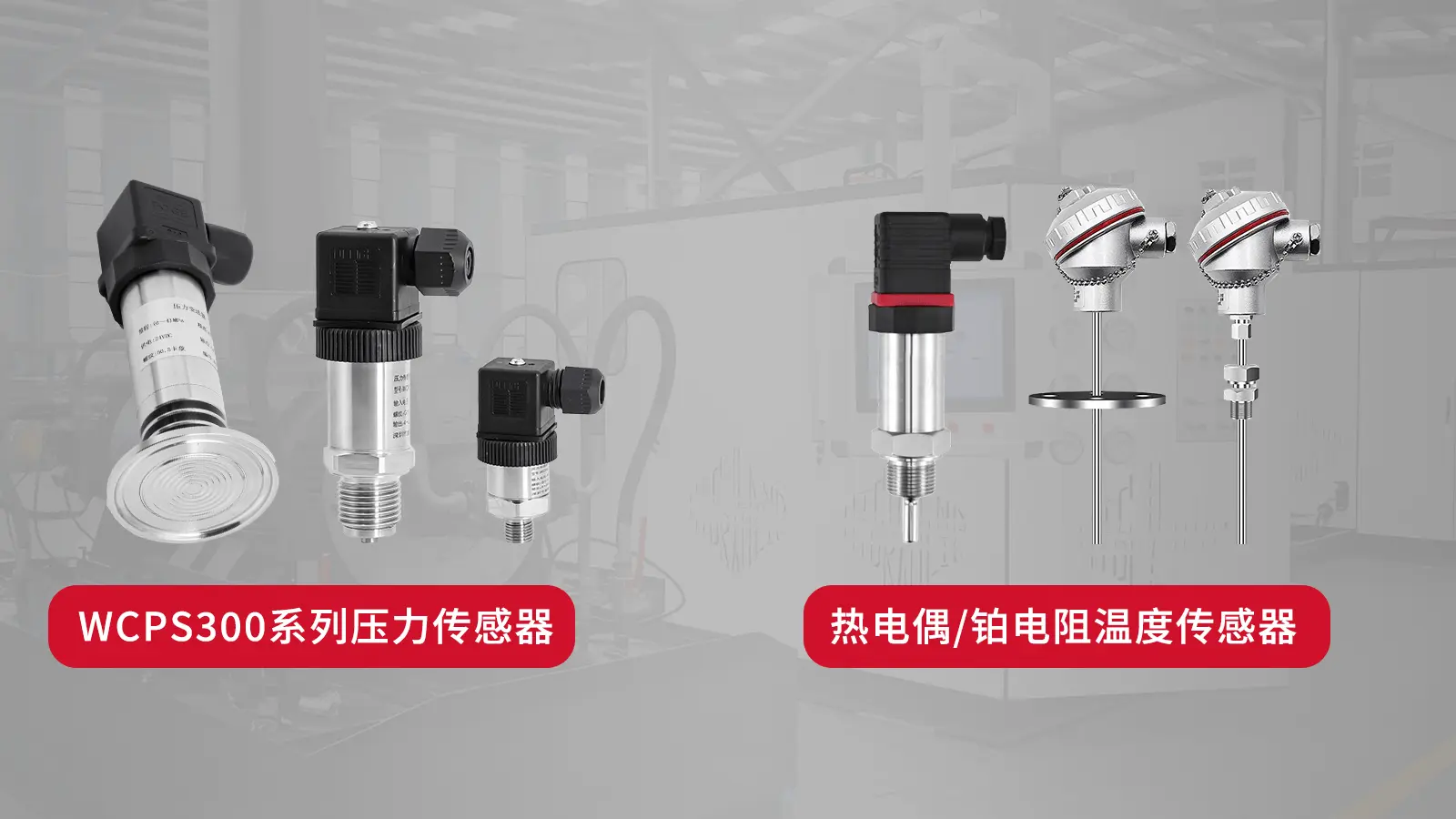
Hydraulic test bench is commonly used for detecting and repairing hydraulic pumps, hydraulic motors, hydraulic cylinders, and hydraulic valves; Pressure sensors are used to measure the pressure of hydraulic oil such as pump outlet, valve block inlet and outlet, front and rear of the tested component, two chambers of the oil cylinder, oil tank (return oil back pressure), and leakage oil circuit; Temperature sensors are used for the temperature of hydraulic oil such as oil tanks, pump housings, valve blocks, main circuits, return oil circuits, and inlet and outlet of coolers; By measuring and controlling the pressure and temperature of the hydraulic system, ensure the stable operation of the hydraulic test bench.
-
1. High temperature environment: Hydraulic oil will significantly heat up (up to 80 ° C or even higher) due to compression, throttling losses (valves, pipelines), pump/motor efficiency losses, and environmental factors.
-
2. High pressure: Hydraulic systems typically operate at extremely high pressures (up to several hundred or even dry bars). Sensors must be able to withstand continuous high-pressure shocks, pressure peaks (water hammer effect), and frequent pressure cycles without damage, drift, or failure.
-
3. Vibration and impact: Hydraulic pumps, valve opening and closing, and actuator movements all generate strong mechanical vibrations and impacts. This may result in the mechanical structure of the sensor becoming loose or damaged, electrical connections becoming loose or broken, etc.
-
1. Wen Qian compensation: The sensor comes with a temperature compensation algorithm and uses high temperature and oil resistant cables and connectors. The contact material is made of 316 or 316L stainless steel;
-
2. High rated pressure: Choose a piezoresistive pressure sensor, and install a pulsation damper or current limiter for the ultra-high pressure range to protect the sensor and smooth out high-frequency noise;
-
3. Anti seismic dynamic sensor: Select products with superior anti vibration performance, and test the vibration impact to be less than 0.1%.